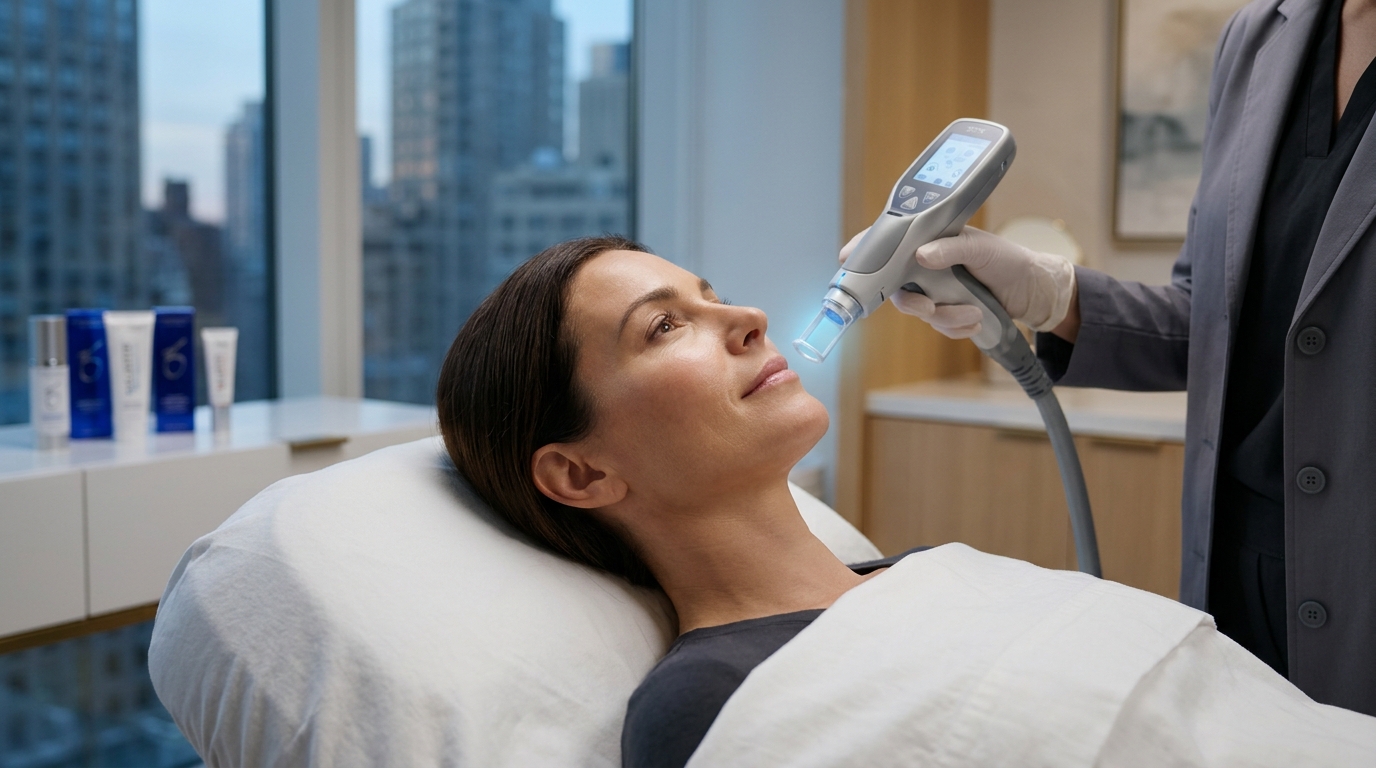
Ablative laser resurfacing is a procedure that removes the outer layers of skin to stimulate collagen production and improve texture. At Perfect Med Spa in New York City, we guide patients through this intensive treatment with a focus on safety and realistic expectations. This article details how the technology works, the recovery timeline, and the specific outcomes you can anticipate.
The Mechanism of Ablative Laser Resurfacing
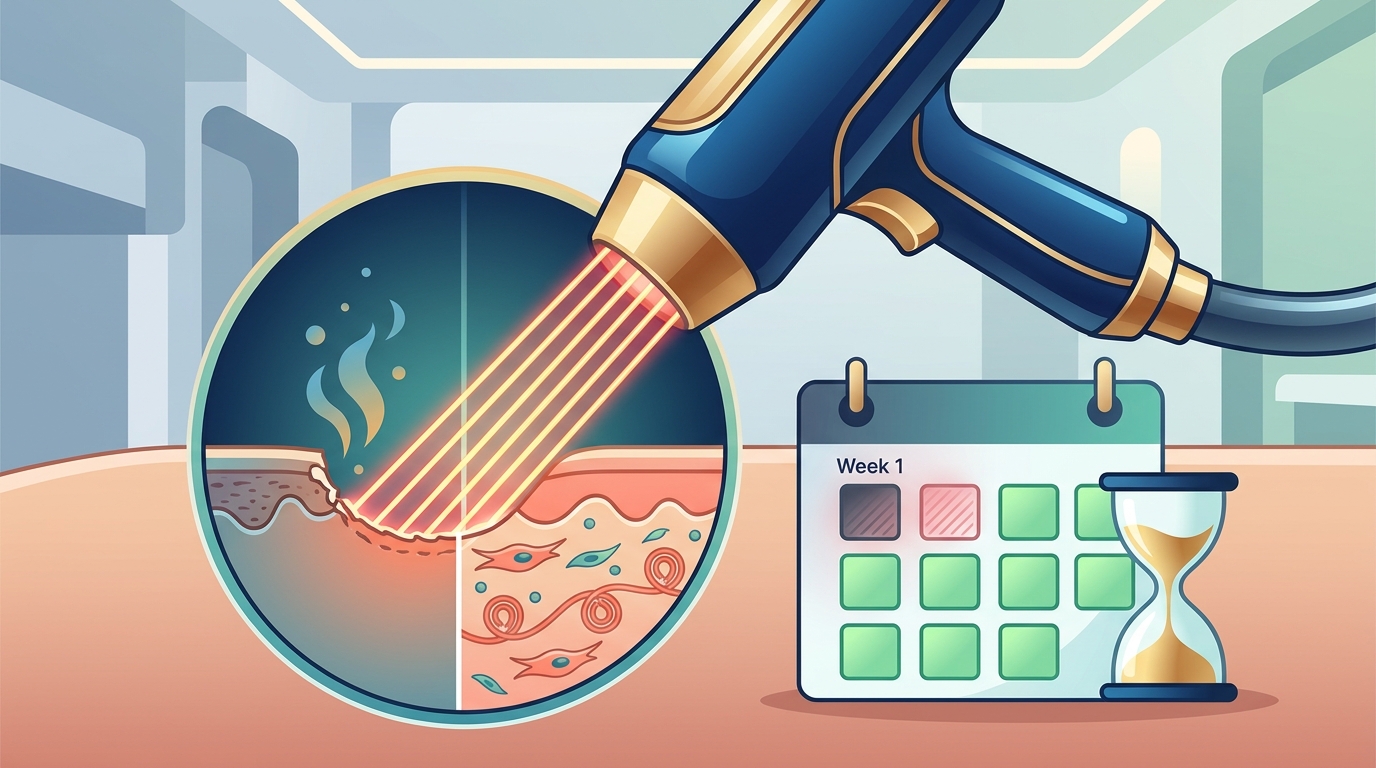
To understand the results, you must first understand the mechanism. Ablative laser resurfacing is a technique that vaporizes the epidermis and heats the dermis to trigger a healing response. According to the UNC Center for Facial Aesthetics, this process removes the very top surface layer of the skin while heating water molecules in the lower layers. This thermal injury is not accidental; it is the primary driver of the treatment's efficacy. By removing damaged tissue, the body is forced to regenerate new, healthy skin cells.
The depth of the treatment is critical. Unlike non-ablative lasers that leave the surface intact, ablative lasers create a controlled wound. This allows for significant correction of deep wrinkles and sun damage. The technology is often combined with other procedures, such as a facelift, to address multiple signs of aging simultaneously. The key is precision. The laser must be calibrated to remove exactly the right amount of tissue to achieve the desired result without causing excessive damage.
Device Characteristics and Treatment Variables
Not all ablative lasers are created equal. The specific device used plays a major role in the outcome. As noted in a consensus statement published in PMC, Fractional Ablative CO2 laser devices differ by characteristics such as peak power and the level of thermal damage. These factors determine the size of the ablation and coagulation zones. The beam characteristics also influence how the energy is delivered to the skin. Understanding these variables helps in selecting the right device for your specific skin concerns.
The interaction between the laser and the tissue is complex. The laser energy is absorbed by water in the skin, causing rapid heating and vaporization. This process is highly controlled. The operator adjusts the settings based on the patient's skin type and the severity of the condition. For example, a patient with deep rhytids may require a higher energy setting than someone with mild sun damage. The goal is to maximize collagen remodeling while minimizing the risk of complications. This is why a consultation with a qualified provider is essential before scheduling the procedure. according to Expert Consensus on
Recovery Timeline and Post-Operative Care
Post-operative care is non-negotiable. You must follow your provider's instructions regarding wound care, sun protection, and hydration. The new skin is fragile and highly sensitive to UV radiation. Failure to protect the skin can lead to hyperpigmentation or other complications. At Perfect Med Spa, we provide detailed aftercare instructions to ensure you navigate this phase safely. We also monitor your progress closely to address any concerns early. Patience is key. The final results are not visible until the healing process is complete, which can take several months.
Managing Expectations and Potential Risks
Communication with your provider is vital. Discuss your goals, medical history, and any concerns before the procedure. This helps in setting realistic expectations and developing a personalized treatment plan. At Perfect Med Spa, we believe in transparency. We will discuss the potential risks and benefits in detail, so you can make an informed decision. We also offer a range of other treatments, such as IPL Photofacial, which may be a better fit for some patients. The right treatment depends on your individual needs and goals.
Choosing the Right Provider in New York City
Selecting the right provider is crucial for a successful outcome. You want a team with experience in ablative laser resurfacing and a commitment to patient safety. Perfect Med Spa is a medical spa in New York City that offers a range of aesthetic services, including laser treatments. Our team of experts provides personalized beauty treatments to help clients achieve their ideal look. We are located in the heart of the city, making it convenient for residents and visitors alike. We also have a location on Long Island, serving a wider area. according to Consensus Statement on
When choosing a provider, look for qualifications, experience, and a good reputation. Read reviews and ask for before-and-after photos. It is also important to feel comfortable with your provider. You will be working with them throughout the treatment and recovery process. At Perfect Med Spa, we prioritize patient education and satisfaction. We take the time to answer your questions and address your concerns. To learn more about our services, you can visit our Laser Skin Peel page or contact us to schedule a consultation.
Key Takeaways
- Ablative laser resurfacing removes the outer skin layers to stimulate collagen production.
- The specific laser device and settings significantly impact the treatment outcome.
- Recovery is intense and requires meticulous post-operative care and sun protection.
- Realistic expectations are essential; the treatment improves texture but does not stop aging.
- Choosing an experienced provider is critical for safety and optimal results.
- Perfect Med Spa offers personalized guidance and a range of laser treatments in NYC.
Frequently Asked Questions
How long does recovery from ablative laser resurfacing take?
Recovery typically takes several weeks. The initial healing phase involves redness, swelling, and peeling. The final results are not visible until the skin has fully healed, which can take several months.
Is ablative laser resurfacing painful?
The procedure is performed under local anesthesia or sedation to manage discomfort. During recovery, the skin may feel sensitive and tender, but pain is usually manageable with medication.
Who is a good candidate for ablative laser resurfacing?
Good candidates are those with deep wrinkles, sun damage, or acne scars. Patient selection is critical, and a thorough consultation is needed to determine if you are a suitable candidate.
What are the main risks of ablative laser resurfacing?
Potential risks include infection, scarring, and changes in skin pigmentation. These risks are minimized through proper technique and post-operative care.
How does ablative laser resurfacing differ from non-ablative lasers?
Can I combine ablative laser resurfacing with other treatments?
Yes, it is often combined with other procedures, such as a facelift, to address multiple signs of aging. The combination should be planned carefully by your provider.