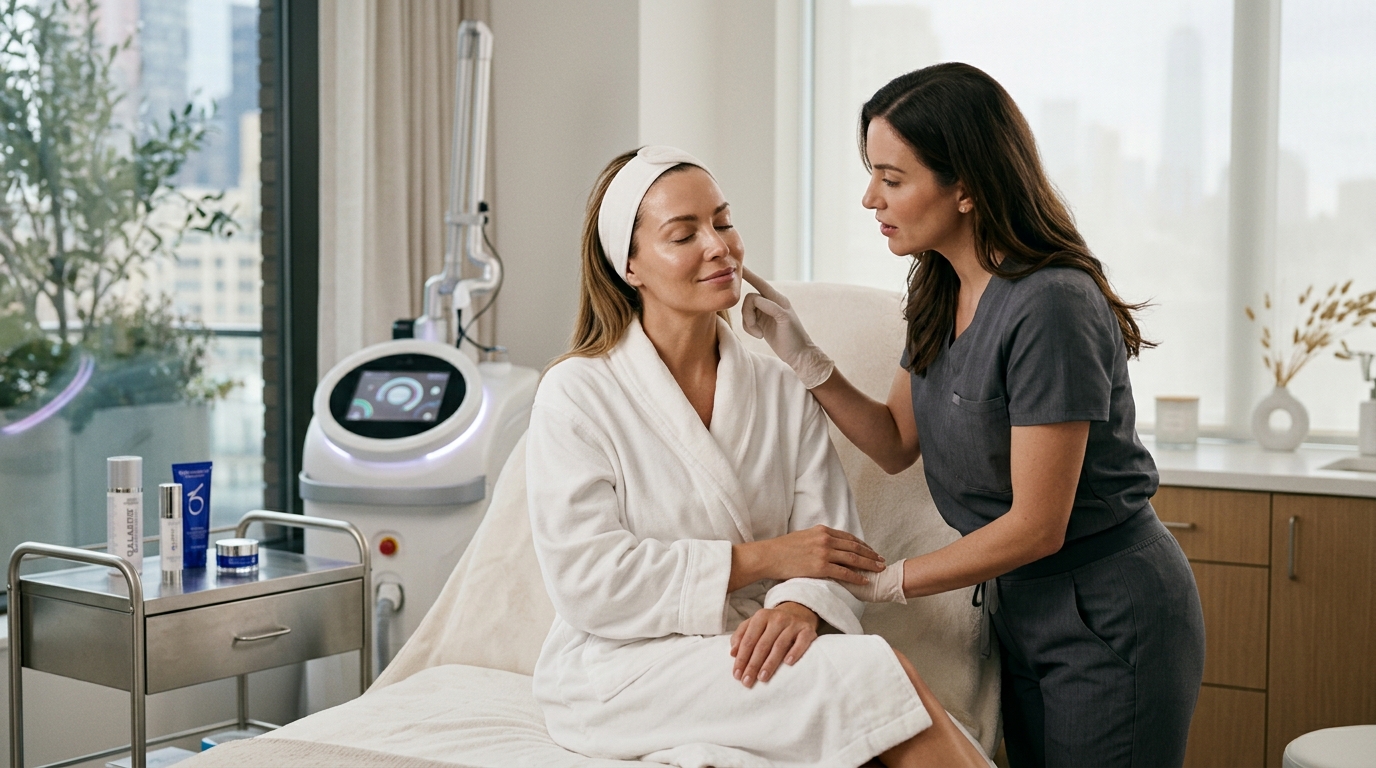
Ablative lasers transform skin by removing the outer layers to stimulate deep collagen regeneration. This process addresses deep wrinkles, acne scars, and sun damage with significant structural changes. At Perfect Med Spa in New York City, our specialists guide patients through this intensive procedure to achieve a smoother, more youthful complexion.
The Mechanism of Tissue Ablation
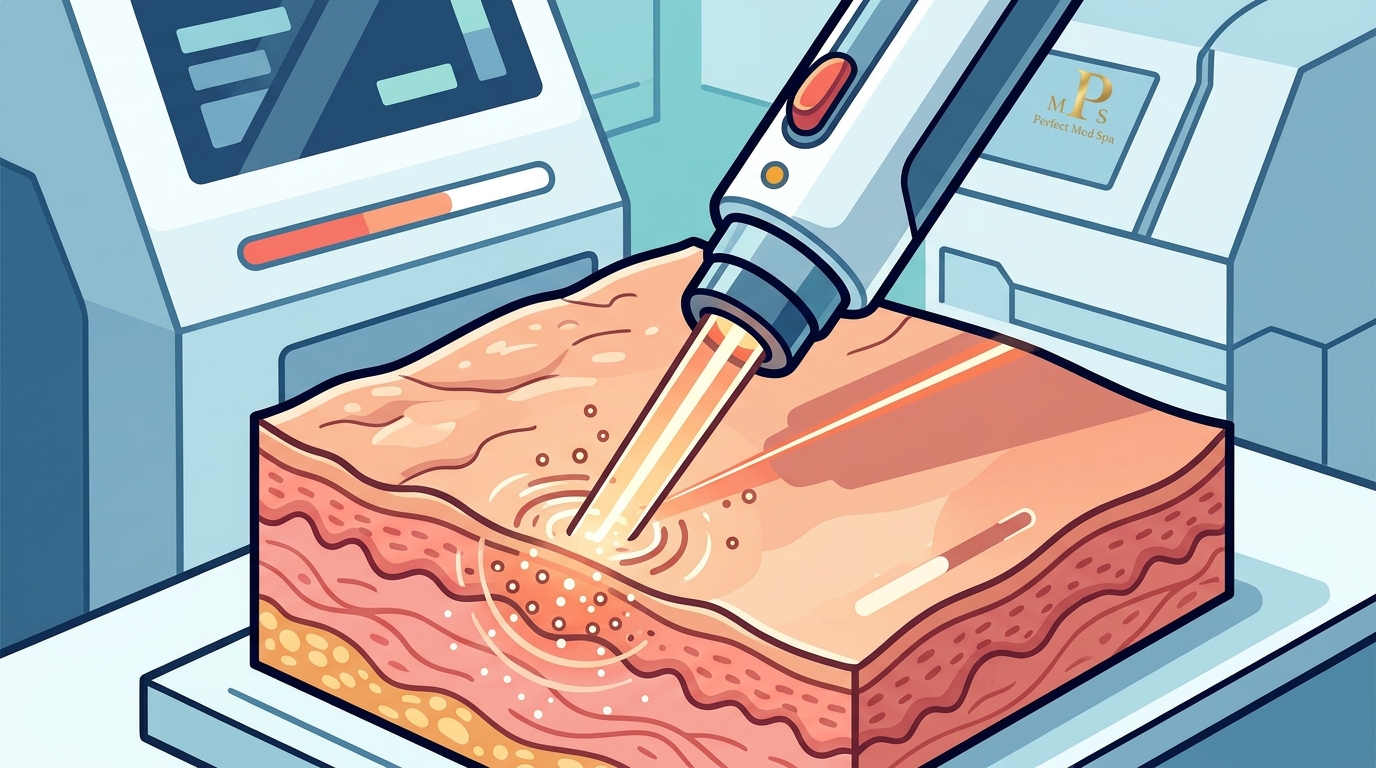
The primary mechanism involves the destruction of damaged collagen and elastin fibers. When the laser beam hits the skin, it converts light energy into heat. This heat causes water in the skin cells to vaporize, effectively peeling away the outer layer. The body then responds by producing new, healthy collagen to repair the area. For additional details, review the About Us Med Spa.
This biological response is the key to long-term improvement. The new collagen is denser and more organized than the old, damaged tissue. This structural change leads to a firmer and smoother skin surface. Understanding this mechanism helps set realistic expectations for the healing process. For additional details, review the Med Spa Patient Sign.
Types of Ablative Lasers
Two main types of ablative lasers are used in clinical settings: CO2 and Erbium YAG. Each type has distinct characteristics that affect the treatment plan and recovery time. Choosing the right laser depends on the specific skin concerns and the patient's tolerance for downtime. For additional details, review the Medical Spa Reviews New.
CO2 lasers are the most aggressive option available. They penetrate deeper into the dermis and provide the most dramatic results. This depth makes them ideal for severe sun damage and deep wrinkles. However, the intense energy requires a longer recovery period. Patients typically need one to two weeks of significant downtime after a CO2 treatment. For additional details, review the Aesthetic Services amp Medical.
Erbium YAG lasers are less aggressive than CO2 lasers. They remove thinner layers of skin with less thermal damage to the surrounding tissue. This makes them a good option for patients with lighter skin tones or those who cannot take extended time off work. The recovery period is shorter, usually ranging from five to seven days. Both lasers are highly effective when performed by experienced practitioners.
Expected Results and Longevity
The results of ablative laser resurfacing are often dramatic and long-lasting. Patients can expect a significant reduction in the appearance of wrinkles and fine lines. The skin texture becomes smoother, and the overall tone becomes more even. These improvements are not temporary; they reflect a fundamental change in the skin's structure.
One of the most notable outcomes is the reduction of acne scarring. Ablative lasers can significantly improve the depth and visibility of atrophic scars. The new collagen fills in the depressions, creating a flatter surface. This effect is often visible within the first few months after healing. The results can last for many years, though natural aging will continue to occur.
Sun damage is another primary target for this treatment. Hyperpigmentation and rough texture caused by years of UV exposure are effectively addressed. The removal of the damaged outer layers reveals fresh, healthy skin underneath. This leads to a brighter and more radiant complexion. The longevity of these results depends on ongoing sun protection and skincare habits.
Recovery Process and Aftercare
The recovery phase is a critical component of ablative laser treatment. The skin goes through several stages of healing over the first two weeks. Proper aftercare is essential to minimize complications and optimize results. Patients must follow strict guidelines to ensure a smooth recovery.
Immediately after the procedure, the skin will appear red and swollen. This is a normal inflammatory response to the laser energy. The treated area may feel like a sunburn. Gentle cleansing and the application of prescribed ointments are necessary during this phase. The skin will begin to peel and flake as the new layer forms.
During the first week, the skin is highly sensitive and vulnerable. Patients must avoid picking at the peeling skin to prevent scarring. Sun exposure must be strictly avoided to prevent hyperpigmentation. The new skin is fragile and requires diligent protection. Most patients can return to work after five to seven days, depending on the laser type used. Full healing and the final results become apparent over several months as collagen continues to remodel.
Risks and Contraindications
Pigment changes are a particular concern for patients with darker skin tones. The heat from the laser can trigger an overproduction of melanin, leading to hyperpigmentation. It can also cause hypopigmentation, where the skin loses color. A thorough consultation is necessary to assess the risk profile. Patients with a history of keloid scarring or active skin infections are generally not good candidates.
Choosing the right provider is crucial for safety. At Perfect Med Spa, our team evaluates each patient's skin type and medical history before proceeding. We ensure that the treatment plan is tailored to minimize risks. This personalized approach helps ensure that the benefits of the procedure outweigh the potential downsides. Safety is the top priority in all our aesthetic treatments.
Key Takeaways
- Ablative lasers remove the outer skin layers to stimulate deep collagen regeneration.
- Erbium YAG lasers are less aggressive and suitable for patients with less downtime.
- Recovery involves redness, peeling, and strict sun avoidance for several weeks.
- Proper aftercare is essential to prevent complications like scarring or pigment changes.
- Consultation with a medical professional is critical to assess candidacy and risks.
Frequently Asked Questions
How long does it take to see results from ablative laser resurfacing?
Initial improvements in texture and tone are visible as the skin heals, usually within two weeks. However, the full results develop over three to six months as new collagen continues to form. The final outcome is a gradual process of skin remodeling.
What is the difference between CO2 and Erbium YAG lasers?
CO2 lasers penetrate deeper and are more aggressive, making them ideal for severe wrinkles. Erbium YAG lasers are less aggressive and cause less thermal damage, resulting in a shorter recovery time. The choice depends on the severity of the skin concerns and the patient's lifestyle.
Is ablative laser resurfacing painful?
The procedure is performed under local anesthesia or sedation to manage discomfort. Patients may experience a burning sensation during the treatment. Post-procedure pain is similar to a severe sunburn and is managed with prescribed medication.
How long is the downtime for ablative laser treatment?
Downtime typically ranges from five to fourteen days, depending on the laser type and the depth of the treatment. The skin will be red, swollen, and peeling during this period. Most patients can resume light activities after a few days but should avoid strenuous exercise and sun exposure.
Who is a good candidate for ablative laser resurfacing?
Good candidates are individuals with deep wrinkles, acne scars, or significant sun damage. They should be in good general health and have realistic expectations. A thorough consultation is necessary to determine if the patient is a suitable candidate based on their skin type and medical history.
Can ablative lasers be used on all skin types?
Ablative lasers can be used on various skin types, but the risk of pigment changes is higher in darker skin tones. Careful selection of laser parameters and experienced practitioners are essential to minimize these risks. Patients with darker skin may be better suited for non-ablative alternatives in some cases.
How many treatments are usually needed?
Most patients require only one session of ablative laser resurfacing to achieve significant results. However, some may benefit from additional sessions to address specific concerns or to enhance the initial results. The number of treatments is determined during the consultation based on the individual's needs. according to Ablative Laser Resurfacing