
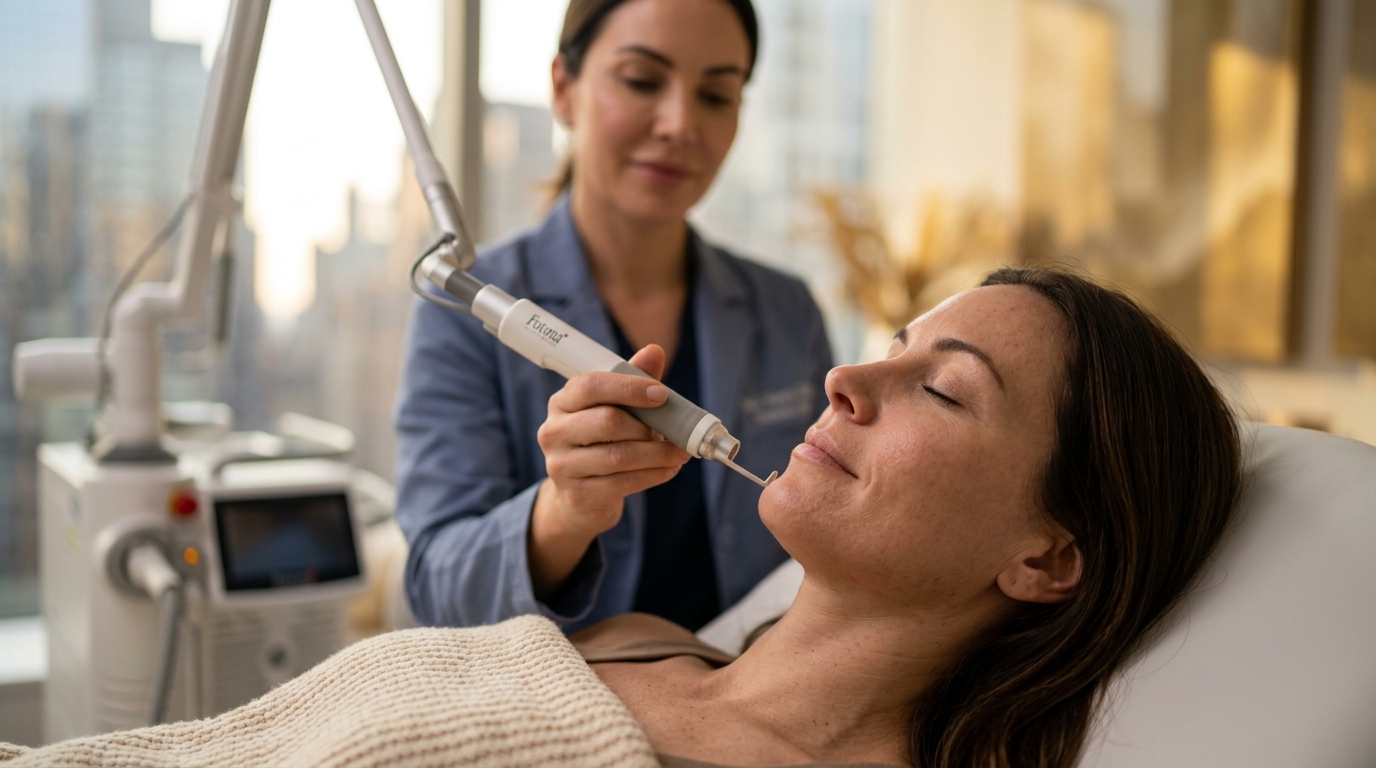
Adult acne affects approximately 14% of the global population, with many individuals continuing to struggle with breakouts well into their thirties and forties. According to recent dermatological studies, persistent acne is not just a teenage issue but a complex condition requiring targeted, non-invasive intervention. For those seeking a solution that addresses both active inflammation and the lingering marks left behind, Fotona laser therapy has emerged as a premier option. This guide explores the science behind this technology, its application at top-tier medical spas, and why it stands out in the landscape of modern skincare. (Contact Our Medical Spa)
What Is Fotona Laser Therapy?
Fotona is a leading manufacturer of medical lasers, and their flagship device, the Fotona 4D, utilizes a unique combination of two laser wavelengths: Nd:YAG and Er:YAG. Fotona laser therapy is a non-ablative, multi-wavelength laser treatment designed to rejuvenate the skin from the inside out. Unlike traditional lasers that focus solely on the surface, this technology penetrates deeper layers of the dermis to stimulate collagen production and reduce inflammation simultaneously. (About Us Med Spa)
This dual-wavelength approach allows practitioners to treat multiple skin concerns in a single session. For adult acne sufferers, this means addressing the root cause of breakouts while simultaneously improving the overall texture and tone of the skin. The procedure is often referred to as a "non-surgical facelift" due to its lifting and tightening effects, but its anti-acne properties are equally significant. (Aesthetic Services amp Medical)
At specialized centers like Perfect Med Spa, the Fotona 4D is utilized not just for anti-aging but as a powerful tool for dermatological health. The clinic's NYC and Long Island locations offer this advanced technology to patients seeking a comprehensive solution for persistent skin issues.
The Mechanism: How It Targets Acne
Understanding how Fotona works requires looking at the biological response of the skin to laser energy. The primary mechanism involves the selective photothermolysis of specific chromophores within the skin. The Nd:YAG laser wavelength targets water and hemoglobin, which helps to reduce inflammation and kill acne-causing bacteria.
When the laser energy is absorbed by the bacteria responsible for acne, such as Cutibacterium acnes, it generates heat that destroys the bacteria without damaging the surrounding tissue. This reduces the frequency and severity of breakouts. Additionally, the heat stimulates the body's natural healing response, leading to increased collagen and elastin production.
For adult acne, which is often hormonal or stress-related, the anti-inflammatory properties of the laser are crucial. By calming the skin's immune response, the treatment reduces redness and swelling associated with active pimples. This makes it an ideal choice for individuals who have tried topical treatments with limited success or who experience sensitivity to harsh chemicals.
The Er:YAG component of the Fotona 4D works on the superficial layers of the skin. It gently resurfaces the epidermis, removing dead skin cells that can clog pores. This exfoliation process helps to prevent future breakouts by ensuring that pores remain clear and that topical products can penetrate more effectively.
Addressing Acne Scarring and Texture
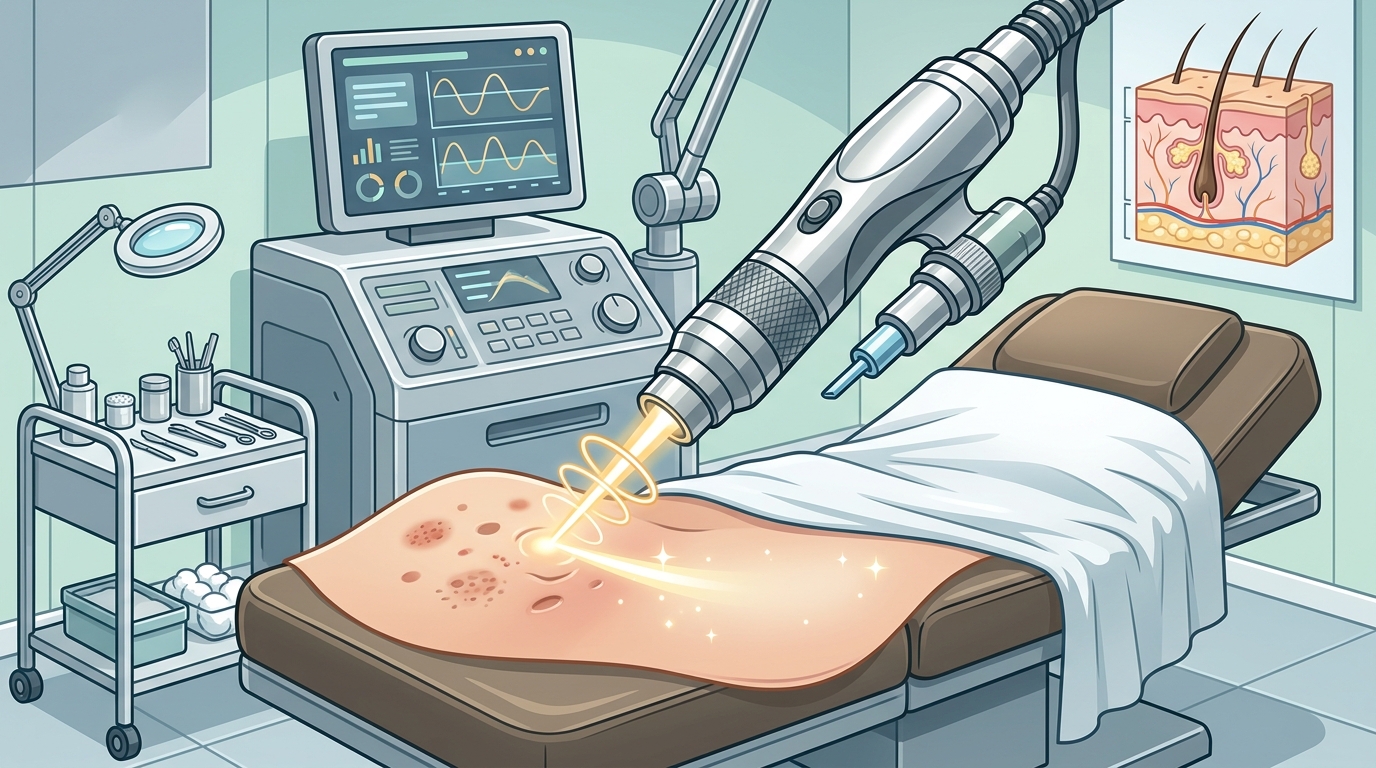
One of the most significant advantages of Fotona laser therapy is its ability to treat acne scarring. Acne scars, whether they are icepick, boxcar, or rolling scars, are caused by damage to the collagen and elastin fibers in the dermis. Acne scarring is the formation of permanent textural irregularities in the skin resulting from severe or prolonged inflammatory acne.
The Fotona 4D addresses these scars by stimulating the body's natural wound healing process. The laser energy triggers fibroblasts, the cells responsible for producing collagen, to generate new, healthy tissue. Over time, this new collagen fills in the depressions caused by scars, smoothing out the skin's surface.
Furthermore, the treatment helps to reduce hyperpigmentation, which is the dark spots left behind after a pimple heals. This condition, known as post-inflammatory hyperpigmentation (PIH), is common in adult acne patients. The laser breaks down the excess melanin in the affected areas, leading to a more even skin tone.
Patients often notice a significant improvement in skin texture after just a few sessions. The skin feels smoother, looks brighter, and has a more youthful appearance. This holistic approach to skin health makes Fotona an excellent choice for those who want to address both active acne and its aftermath in a single treatment plan.
Fotona vs. Traditional Laser Treatments
When considering laser therapy for acne, it is important to understand how Fotona compares to other options. Traditional ablative lasers, such as CO2 lasers, remove the outer layer of skin to reveal new skin underneath. While effective, these treatments come with a longer downtime and a higher risk of side effects.
| Feature | Fotona 4D Laser | Traditional Ablative Lasers | Chemical Peels |
|---|---|---|---|
| Downtime | Minimal to None | 1-2 Weeks | 3-7 Days |
| Pain Level | Mild Discomfort | Moderate to Severe | Moderate |
| Target Areas | Deep & Superficial Layers | Primarily Surface | Primarily Surface |
| Acne Inflammation | Reduces Effectively | May Irritate | Can Irritate |
| Collagen Stimulation | High | High | Moderate |
Fotona 4D stands out for its ability to treat multiple skin layers simultaneously without damaging the surface. This "four-dimensional