

Managing hair removal on sensitive skin requires a precise balance of efficacy and safety. According to recent dermatological studies, up to 30% of the population identifies their skin as sensitive, making standard laser protocols potentially risky without modification. This guide outlines the critical steps to achieve long-term results while minimizing irritation, redness, and post-inflammatory hyperpigmentation. By following a structured approach, you can safely navigate the treatment process with confidence.
Understanding Sensitive Skin and Laser Risks
Sensitive skin is defined as skin that is prone to adverse reactions to topical products or environmental stimuli. When subjected to laser energy, this skin type has a lower threshold for inflammation. The primary risks include prolonged erythema (redness), burning sensations, and potential pigment changes. It is crucial to distinguish between temporary irritation and actual tissue damage. A qualified provider will assess your skin barrier integrity before initiating any treatment. Ignoring these signs can lead to complications that delay healing and compromise results.
Many individuals assume that laser hair removal is a one-size-fits-all procedure. However, the melanin content in your skin and the density of your hair follicles dictate the approach. For sensitive areas such as the bikini line, underarms, and face, the nerve endings are more concentrated. This necessitates a gentler energy delivery system. At Perfect Med Spa, we prioritize patient comfort and safety above all else. Our protocols are designed to respect the unique biology of sensitive skin types.
Choosing the Right Laser Technology
The choice of laser device is the most critical factor in treating sensitive skin safely. Not all lasers are created equal. The gold standard for sensitive skin is the Diode laser with specific wavelength adjustments. This technology targets the melanin in the hair follicle while minimizing heat diffusion to the surrounding epidermis. Another excellent option is the Nd:YAG laser, which penetrates deeper and bypasses the surface melanin, making it ideal for darker or highly reactive skin tones.
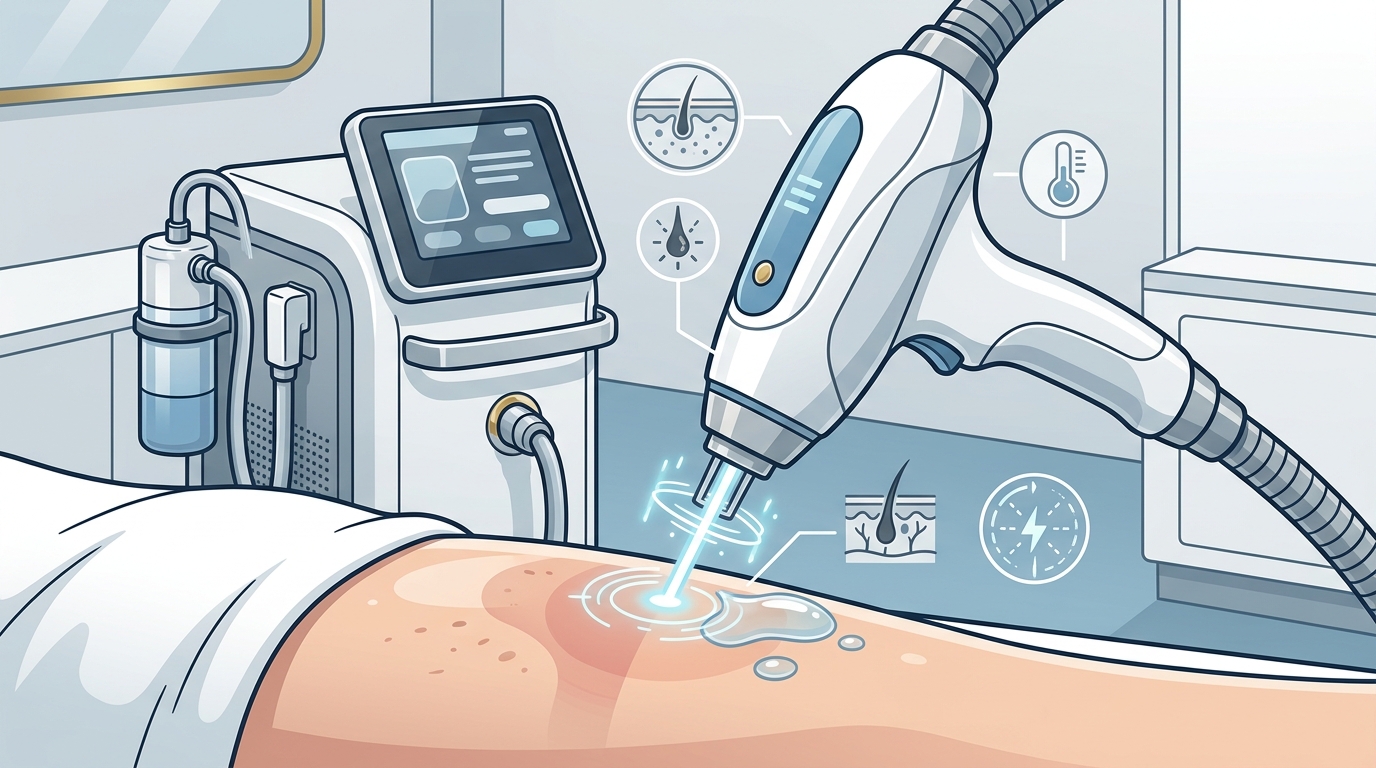
Avoid older technologies like IPL (Intense Pulsed Light) for sensitive areas. IPL emits a broad spectrum of light that can scatter heat unpredictably, increasing the risk of burns. Instead, opt for clinics that utilize advanced cooling systems. Laser Hair Removal at our Long Island and NYC locations utilizes state-of-the-art cooling mechanisms. These systems numb the skin surface before and during the pulse, significantly reducing discomfort. Always ask your provider about the specific laser model they use. Transparency about technology is a hallmark of a reputable medical spa.
Pre-Treatment Preparation Steps
Proper preparation is half the battle in ensuring a safe and effective treatment. Your skin must be in its most stable state before you enter the treatment room. Follow these mandatory steps to prepare your skin:
1. Avoid Sun Exposure
Tanning, whether from the sun or tanning beds, increases melanin activity in the skin. This creates a higher risk of burns and pigmentation issues during laser treatment. You must avoid direct sun exposure for at least two weeks prior to your appointment. Use a broad-spectrum SPF 30 or higher daily, even on cloudy days. If you have recently tanned, you may need to reschedule your session. Our team at Perfect Med Spa will evaluate your skin tone to ensure it is safe for treatment.
2. Discontinue Other Hair Removal Methods
You must stop plucking, waxing, or threading hair in the treatment area for at least four to six weeks before your session. The laser needs the hair follicle intact to target the melanin. If you remove the root, the laser has no target. However, you should shave the area 24 hours before your appointment. Shaving removes surface hair while leaving the follicle intact. This prevents the laser from burning surface hair, which can cause smoke and odor issues during treatment.
3. Skincare Product Restrictions
Avoid using retinoids, alpha hydroxy acids (AHAs), or beta hydroxy acids (BHAs) on the treatment area for five to seven days prior. These ingredients exfoliate the skin and can increase sensitivity. Stick to gentle, hydrating cleansers and moisturizers. If you are using prescription acne medications, consult your provider before proceeding. Our blog offers additional insights on skincare routines that support laser readiness.
During the Session: Comfort and Safety
When you arrive for your appointment, expect a thorough consultation. Your provider will review your medical history and skin type. They may perform a test patch on a small, discreet area. This test patch allows them to observe your skin's reaction to the laser energy. If the test patch shows excessive redness or blistering, the settings will be adjusted or the session postponed.
During the treatment, you will feel a sensation often described as a rubber band snap. For sensitive skin, this can be more pronounced. Our providers use topical anesthetics or advanced cooling devices to mitigate this sensation. Communication is key. If you feel excessive heat or pain, signal your provider immediately. They can pause to apply more cooling gel or adjust the energy level. Do not endure pain as a sign of effectiveness. Effective laser hair removal should be tolerable with proper cooling.
For sensitive areas like the bikini line, the skin is thinner and more reactive. Our technicians at Perfect Med Spa use lower fluence settings and longer pulse durations. This approach delivers energy more gradually, allowing the heat to dissipate safely. This method may require slightly more sessions, but it ensures long-term safety and comfort.
Post-Care Protocol for Healing
Post-treatment care is vital for preventing complications and maximizing results. Sensitive skin requires extra attention during the healing phase. Follow these guidelines strictly:
Immediate Aftercare
Expect some redness and swelling immediately after treatment. This is a normal inflammatory response. Apply a cool compress or ice pack wrapped in a cloth to the area for 10-15 minutes. Avoid hot showers, saunas, and steam rooms for at least 48 hours. Heat exacerbates inflammation and can lead to prolonged redness. Use gentle, fragrance-free moisturizers to keep the skin hydrated. Products containing aloe vera or centella asiatica can soothe irritated skin.
Long-Term Maintenance
Continue to avoid sun exposure for at least two weeks post-treatment. The skin is more vulnerable to UV damage during this period. Use a high-SPF sunscreen daily. Avoid exfoliating the treated area for at least one week. Let the skin shed naturally. Picking at any crusting or shedding hair can cause scarring or infection. If you experience blistering or severe pain, contact your provider immediately. Early intervention prevents long-term damage.
Consistency is key for permanent results. Hair grows in cycles, and laser only affects follicles in the active growth phase. You will need multiple sessions, typically spaced four to six weeks apart. Our body treatment protocols are designed to align with these natural cycles. By following these steps, you can achieve smooth, hair-free skin without compromising your sensitive skin's health.
Frequently Asked Questions
How many sessions are needed for permanent hair removal?
Most patients require between 6 to 8 sessions to achieve significant hair reduction. This number varies based on hair color, skin type, and the treatment area. Sensitive skin may require more conservative settings, potentially extending the timeline slightly.
Is laser hair removal painful on sensitive skin?
While sensitivity can increase discomfort, modern cooling technologies and topical anesthetics make the process highly tolerable. The sensation is often described as a mild snapping feeling rather than sharp pain.
Can I treat my face if I have sensitive skin?
Yes, facial laser hair removal is safe for sensitive skin. However, the face has a higher density of nerve endings. Providers typically use lower energy settings and specialized handpieces for facial treatments to ensure comfort and safety.
What should I avoid doing after my laser session?
Avoid sun exposure, hot water, sweating, and harsh skincare products for at least 48 hours. Stick to gentle cleansing and moisturizing to support the skin barrier.
Does laser hair removal work on dark skin?
Yes, but it requires specific laser technology. The Nd:YAG laser is the safest option for darker skin tones as it bypasses surface melanin. Always consult with a specialist to determine the best device for your skin type.
How soon can I shave after treatment?
You can shave as soon as the hair begins to shed, typically within a week. Use a sharp, clean razor and a gentle shaving cream to avoid irritation. Avoid shaving immediately after the session to allow the skin to calm down.
Are there any risks for sensitive skin?
The primary risks include temporary redness, swelling, and potential pigmentation changes if pre- and post-care instructions are not followed. Choosing a reputable provider like Perfect Med Spa minimizes these risks significantly.
Schedule Your Consultation
Taking the first step toward permanent hair removal on sensitive skin requires expert guidance. Do not risk your skin's health with unqualified providers. Visit Perfect Med Spa in NYC or Long Island for a personalized consultation. Our medical professionals will create a safe, effective treatment plan tailored to your unique needs. Book your appointment today and experience the difference of professional, sensitive-skin-safe laser hair removal.